The Beautiful People


 |
| a detail on the Portland vase |
As my kids were growing up, we would use the beautiful people as a form of code-speak to describe a persona that is all too prevalent. Even now I find it difficult to translate to black text on a white sheet. I’m not talking about the kind of physical beauty that is captured in the Elgin marbles, but a projected beauty that is merely an illusion. But, it is a beauty that can be much more disarming than the bodily perfection depicted on the Portland Vase.
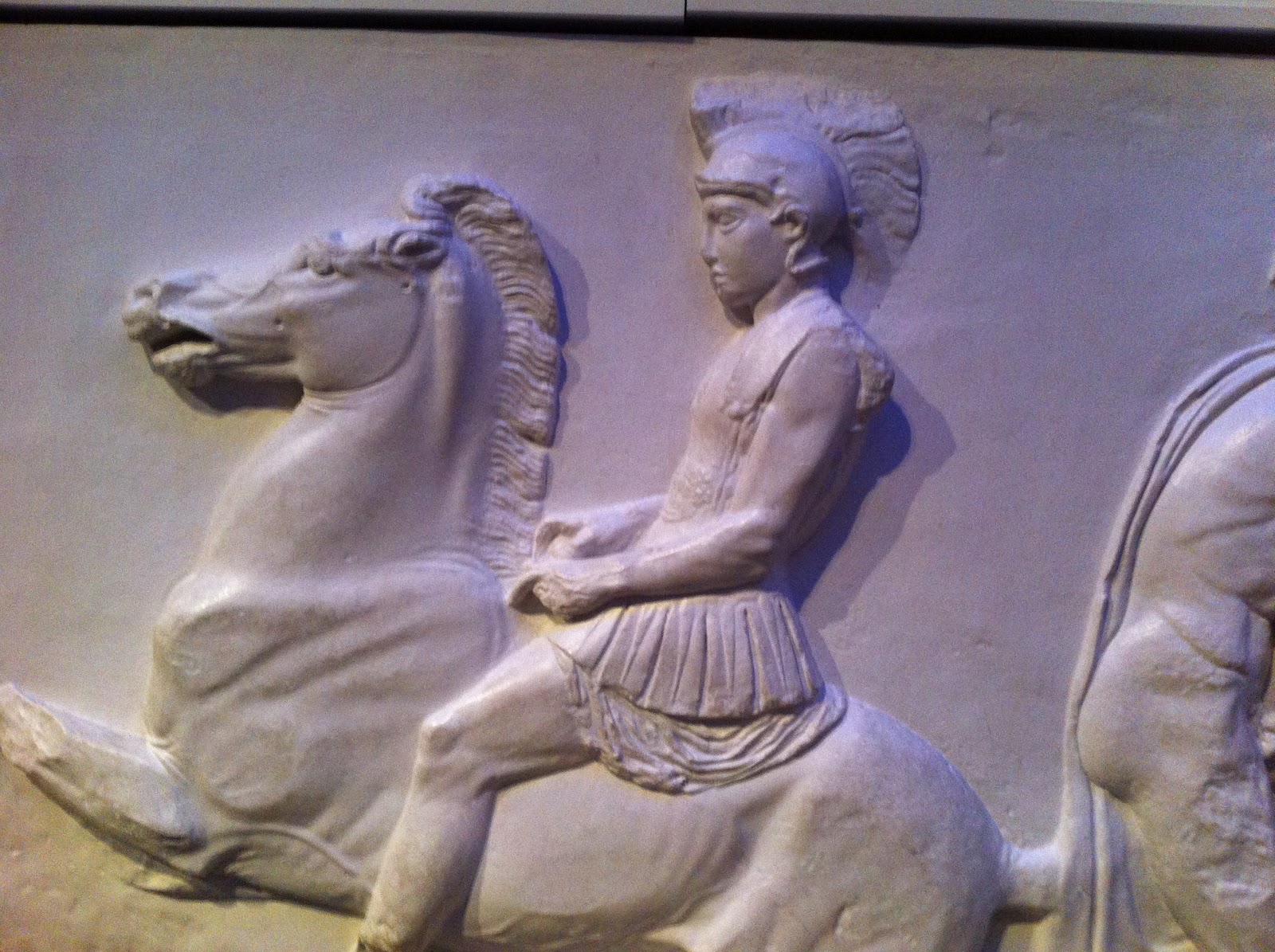 The beautiful people cling to the conviction that they are special because they are beautiful (or witty, wealthy, athletically skilled, or popular). Accordingly, their ideas, desires, needs and judgments carry more weight than those of a non-beautiful person. One of the greatest calamities that can befall a beautiful person is to lose their beautiful status. As a result, there is enormous pressure to do whatever is necessary to remain beautiful. The conscience of the crowd trumps the conscience of the individual. Invariably, this usually involves making a non-beautiful person feel bad about themselves and envious of those that are beautiful. After all, it is the contrast between the beautiful people and the rest of us that make the beautiful people special.
 The social interactions of the beautiful people and non-beautiful people were illustrated in Lehi’s Dream. The beautiful people, who happened to be congregating in the great and spacious building, went to great lengths to persecute mock and ridicule those eating the fruit of the Tree of Life. Nephi later learned that the dream was describing the pride of the world (1 Nephi 11:36). It is a scene that has repeated itself in every social gathering since time began. I also find it interesting that, in his abridgment to the Book of Helaman, Moroni describes beautiful people tactics being used by the proud to persecute the humble. Finally, the Lord during his ministry was not embraced or included amongst the beautiful people; his lot was with sinners, publicans and harlots. He was not a beautiful person.
Paradoxically, those that find themselves cast out from amongst the beautiful people, if they will humble themselves before God, and turn to Christ will become transformed by the Atonement ultimately to be come purified and perfected; far more beautiful than the Elgin marbles.